Storm and hail roof damage in Celina
Missing shingles are easy to notice. Hail damage can be harder to see from the yard. A free inspection can identify damage and help separate the roofing work from the insurance decision.
Start with what you’ve noticed.
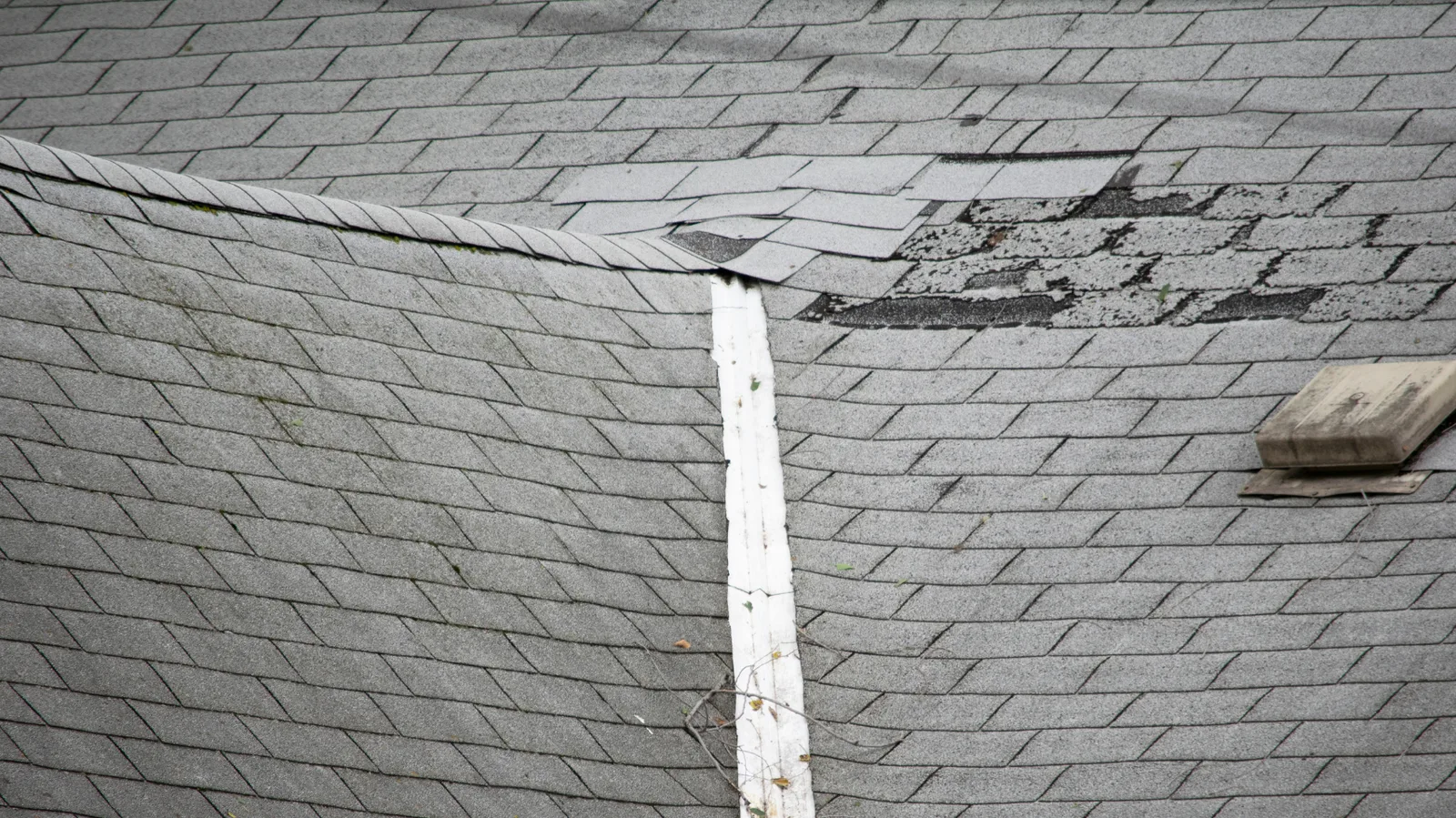
Hail and wind affect Celina roofs differently
Wind can lift a shingle tab, break its seal or crease the material where it bends. A shingle that settles back into place can still have a damaged crease. Missing pieces leave the underlayment or deck exposed to rain.
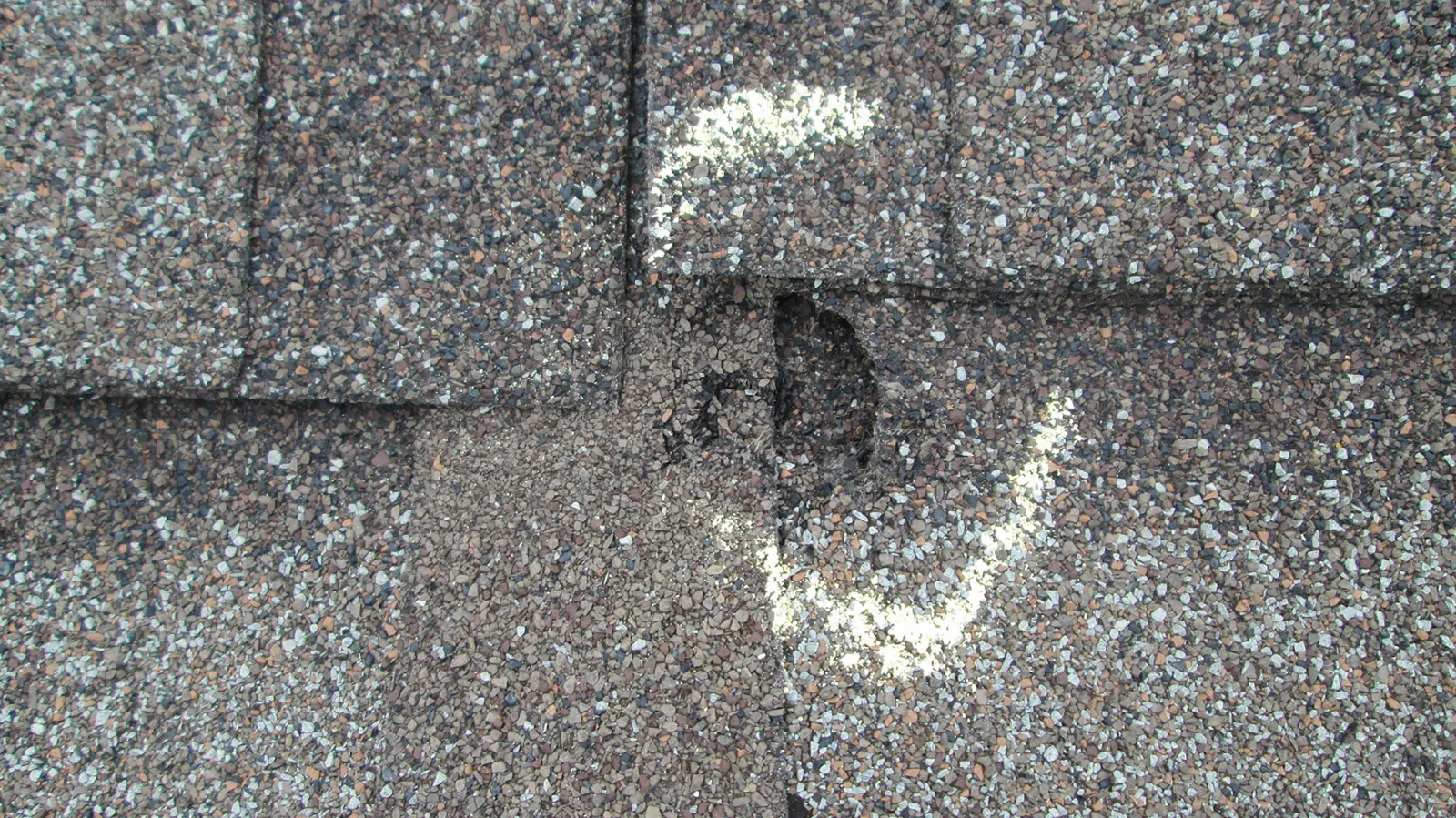
Hail strikes can displace granules and damage the shingle below them. The granules help protect asphalt from sun exposure; a visible impact needs to be assessed with the condition of the shingle itself. A chalk circle is a way to mark an observed spot, not proof of when the damage happened.
Metal can show dents without an opening, while seams, flashings and coatings can suffer damage that changes how the roof works. Appearance and function need to be considered separately.
After a Celina storm: from first look to finished repair
North Texas hail and straight-line wind arrive most often in spring, and the days afterward are easier with an order to follow.
Look from the ground
Check the yard for shingle pieces, the gutters and downspouts for dents, and window screens, fence tops and the air conditioner fins for fresh marks. Soft metals record hail size better than shingles do. Stay off the roof. Wet, bruised shingles are slick, and footsteps can finish off damage that hail started.
Stop water from getting in
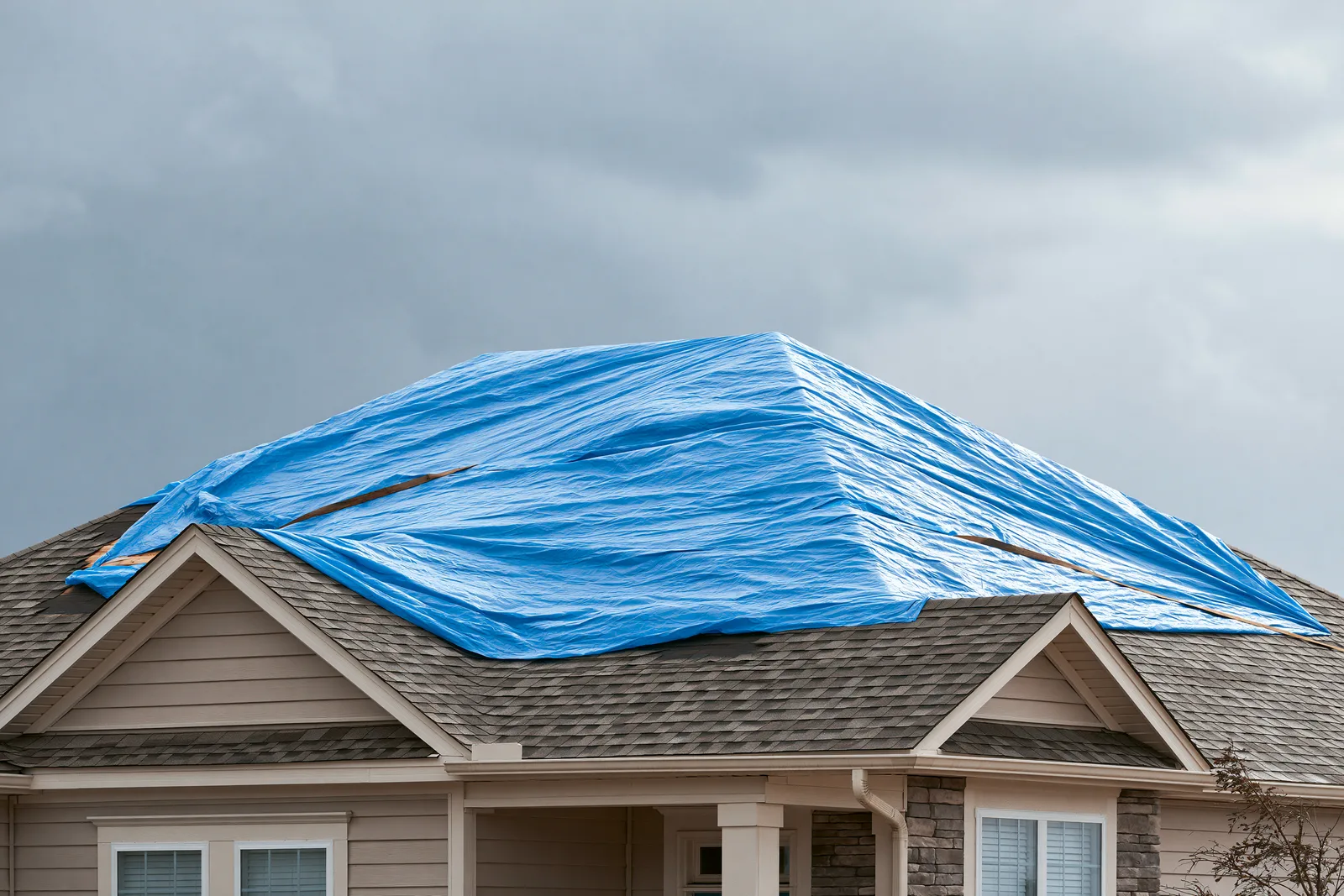
An opening from a lost shingle, a puncture or a fallen limb needs temporary cover before the next rain. A tarp that is fastened over the ridge and secured along its edges sheds water. One laid flat over the hole does not. Photos of the damage before it is covered are useful for your records.
Have the whole roof inspected
A roofer checks every slope, because hail damage follows the direction the storm came from and one face of the roof can be hit much harder than another. Bruises that feel soft under a thumb, fractured shingle mats, torn seal strips and dented vents and flashing are recorded by slope.
Decide between repair and replacement
A few wind-lifted shingles on a sound roof are a repair. Bruising spread across several slopes is a different conversation, because every bruise is a spot where granules will keep shedding and the asphalt beneath will age faster. The count, the spread and the age of the roof all go into that judgment.
Do the permanent work
Repairs replace the damaged shingles and any torn underlayment and reseal the courses around them. If the roof is being replaced, the storm work follows the same tear-off, deck check and dry-in order as any other replacement.
Celina storm repairs, temporary protection and insurance
Limit further exposure
A roof opening may need temporary protection before a permanent repair can be arranged. Access, weather and the size of the opening govern the safe approach.
Restore the damaged roof
The repair scope depends on how much covering is affected and whether new work can tie into sound surrounding material. Broader damage can make replacement part of the discussion.
Understand the policy decision
Coverage, the deductible and how payment is made come from your policy and the insurer’s review. Texas wind and hail deductibles are often a percentage of the insured value of the home and not a flat amount, so it is worth reading that line before you file.
Your insurer’s adjuster decides what the policy covers. A roofer’s findings describe the roof. The roof insurance guide explains how those two fit together.
The work involved in a Celina storm-damage repair
A storm repair is built around the affected roofing and the sound material around it. The visible area and the area that needs to be opened are not always the same.
- Wind-damaged shingles and edges
A missing or creased shingle needs assessment along with the neighboring courses and edge details. The repair has to restore fastening, the seal and the overlap with intact material. If adjoining shingles break when worked, the repair extends until it can make a sound connection.
- Hail-damaged material
Impacts are assessed for what they changed in the covering, rather than counted as an automatic replacement rule. Damage spread across slopes, a limited affected area and unrelated wear lead to different scopes. A new shingle patch also needs a compatible product and a realistic appearance match.
- Openings and concealed damage
Where roofing has been displaced, rain can reach the layers underneath. Temporary protection limits further exposure; the permanent work restores the assembly. Damaged underlayment or deteriorated decking uncovered during repair must be included in that work.
- Other roof components
Gutters, vents, flashing and metal roof details can be affected separately from the field shingles. A dent in metal and a split or open joint have different consequences. The proposed roofing work should identify those components instead of assuming a covering replacement resolves everything.
A nearby storm report is a reason to look closer
A recorded hail or wind report is useful context when you remember a storm but not its date. It is not a measurement of what struck your property. Even two nearby roofs can have different exposure, materials and condition.
The Celina storm-history tool shows official reported hail and wind events within its stated geography and period. Keep a relevant date for the conversation, then have the roof itself checked.
Celina storm damage roofing FAQs
Can hail damage exist without a current leak?
Yes. Damage to a shingle does not have to make an immediate opening through every layer. A roof can still shed rain while the affected material has lost some of its protection.
Can an inspection tell which storm caused the damage?
An inspection can identify the roof’s condition and signs of damage. It cannot reliably assign every mark to a particular date. Weather records provide context, not a property-level cause determination.
Does storm damage always mean roof replacement?
No. A localized damaged area may be repairable if the adjacent roofing is sound and compatible. The extent of damage and the condition of surrounding material determine the practical options.
Have your roof checked after the storm
Tell us what you noticed after the storm. You do not need to climb onto the roof to request a free inspection.
Call (469) 813-7720