Roofing materials for Celina properties
Shingles, metal and low-slope membranes do different jobs. Compare them by roof shape, water flow and the details a complete system needs.
Start with what you’ve noticed.
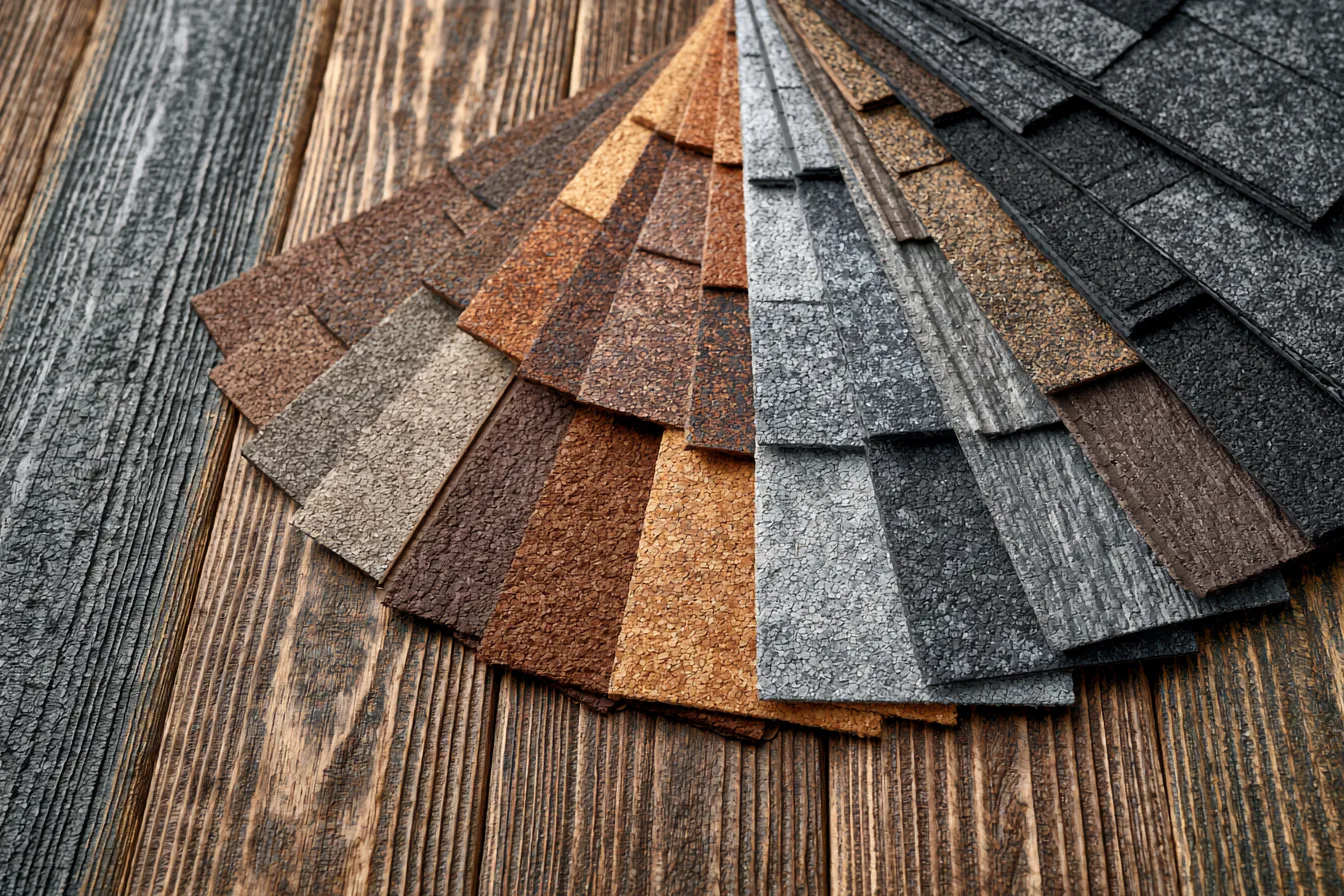
Choose the material for the way your roof works
The right covering starts with the roof it has to protect. A steep slope sheds water differently from a nearly flat commercial roof, and each material needs the corresponding underlayment, flashing and attachment.
Use these comparisons to narrow the questions, then have the existing roof assessed. Appearance is a useful part of the choice, but it cannot establish which assembly will work on the property.
Compare the systems by the roof they need to cover
| Roof system | Where the choice starts |
|---|---|
| Asphalt shingles | Overlapping courses shed water down a suitable slope. Profiles, colors and impact classifications vary within the category. Explore shingle types. |
| Metal panels | Panel profile, seam type and attachment determine how the covering handles water and movement. Compare standing seam and exposed-fastener roofing. |
| TPO membrane | Heat-welded sheets form a continuous surface over a low-slope assembly. Insulation, attachment and drainage belong in the same choice. See TPO roofing. |
| Roof restoration coating | A coating depends on a suitable existing roof and compatible preparation. It is a restoration option, not an independent replacement for damaged layers. Check coating suitability. |
The parts underneath matter as much as the surface
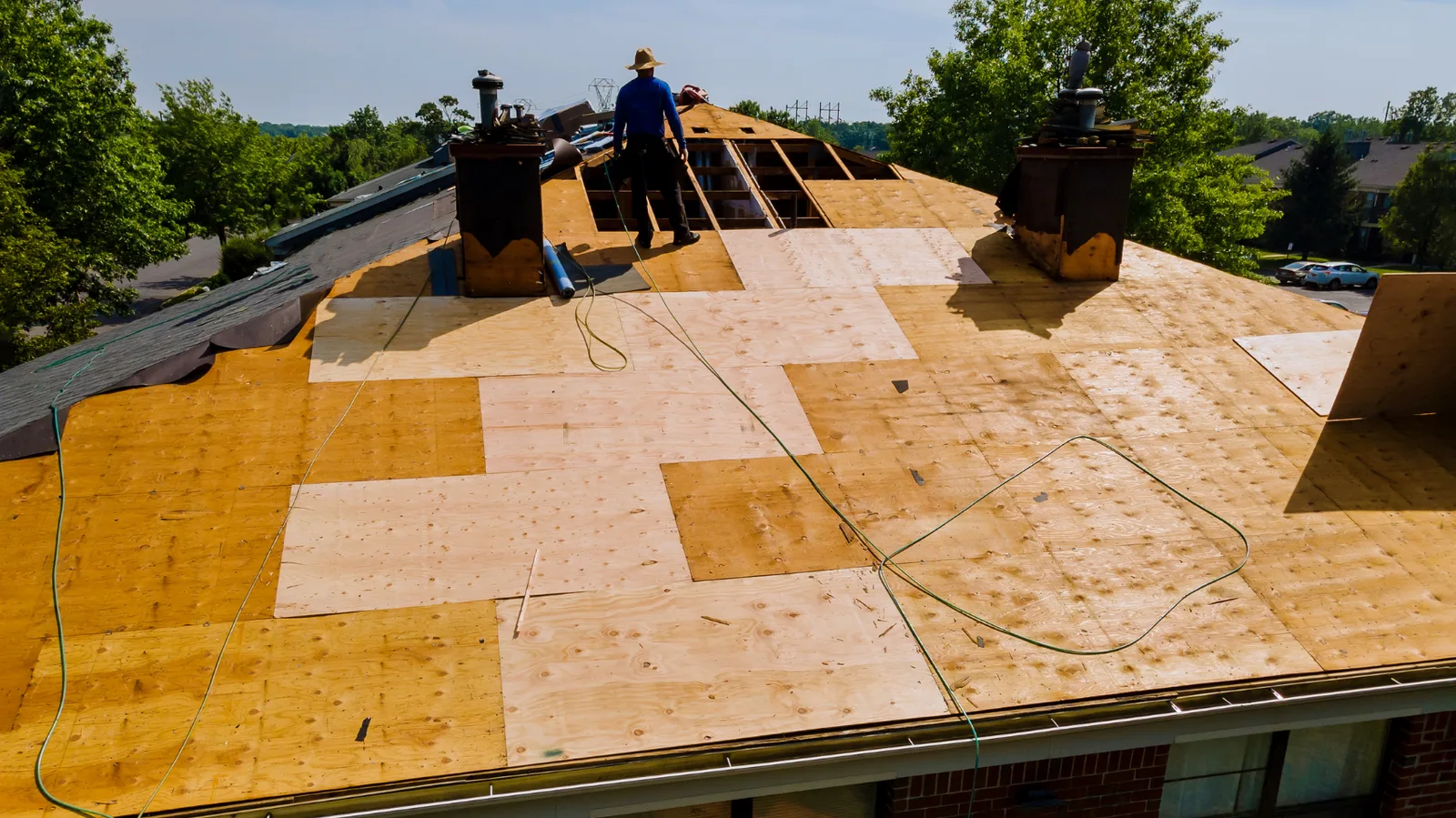
A covering can look attractive while concealing a weak deck, poor drainage or an unresolved flashing detail. The installation has to address those conditions so the visible material has a sound assembly beneath it.
Replacing an existing roof makes these connections especially important. The scope should distinguish what will be removed, what remains and how concealed deterioration will be handled if it is found.
Appearance, weather performance and repairability
Appearance on the whole building
Large color samples, the visible roof area and the walls below affect how a selection reads. Compare the actual product in daylight rather than relying on a small screen image.
Weather performance
A classification describes a specified test or product characteristic. It does not promise that a roof will avoid damage in every storm; installation and the complete assembly also matter.
Future repair
A replacement piece must fit the original system as well as its color. Product availability, weathering and surrounding material condition affect how a later repair can be made.
Choose a roof system with the whole property in view
Tell us what is on the roof now and what you hope to change. An inspection can connect material choices to the property’s actual needs.
Call (469) 813-7720