Understanding roofing warranties
Know who backs the coverage, what kind of failure it addresses and what conditions apply before comparing warranty labels.
Start with what you’ve noticed.
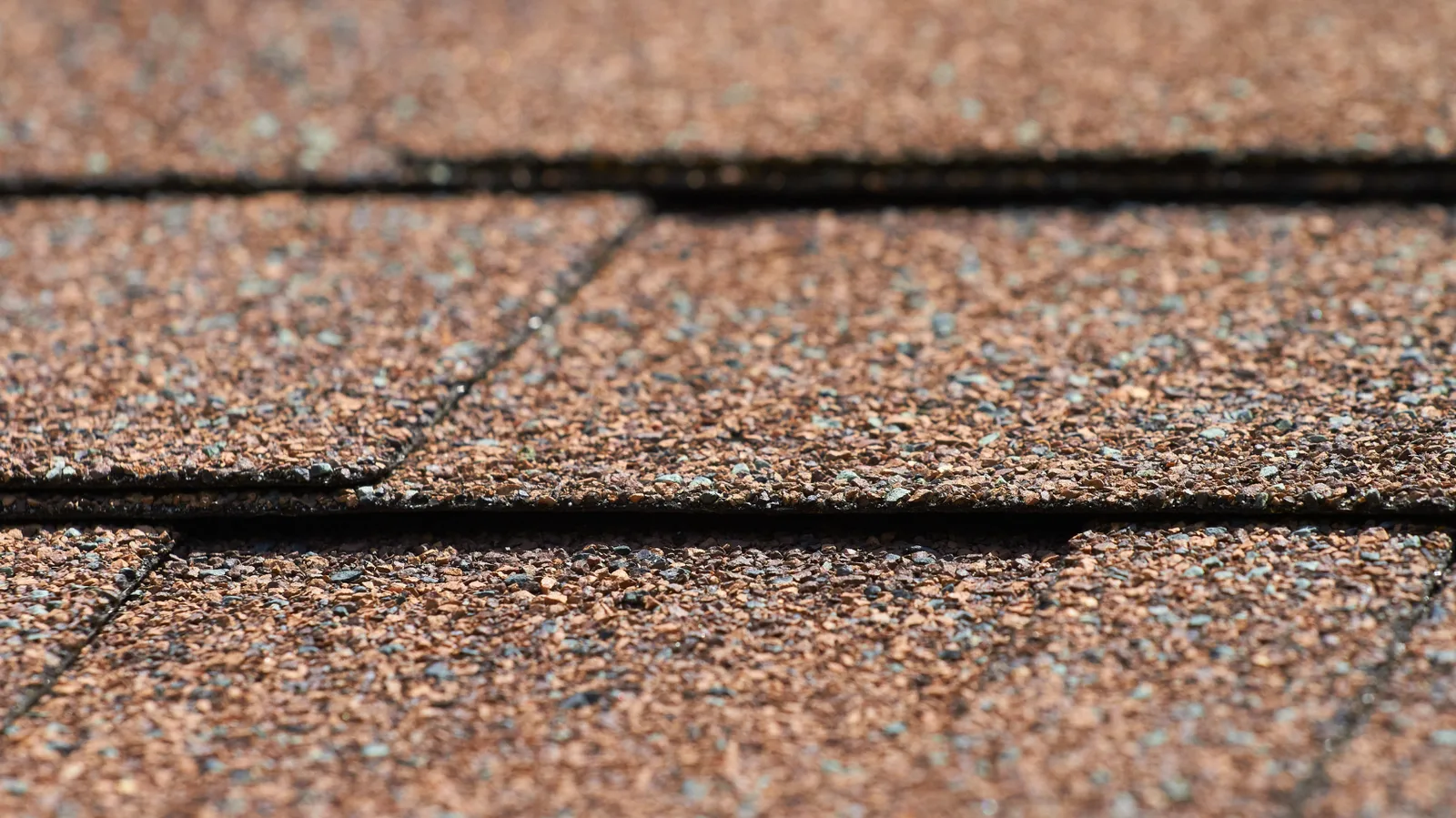
Know which part of the roof the warranty covers
A warranty can cover a product defect, installation workmanship or a defined combination of both. Those are different promises, and the title on a brochure does not tell you every condition.
Ask for the written terms tied to the proposed product and installation. Compare the covered failure, remedy, time period and exclusions alongside the actual roof scope, including who you would contact if a problem appears.
Product coverage and workmanship coverage
| Coverage question | What to look for in the written terms |
|---|---|
| Product defects | Which manufacturer and exact product are covered? What defect triggers a remedy, and does that remedy include labor as well as materials? |
| Installation workmanship | Who is responsible for correcting a covered installation error? Which work is included, for how long, and how is a concern reported? |
| Enhanced or system coverage | Does the coverage require specified components, installer status, registration or an inspection? Confirm that the proposed work meets those conditions. |
| Transfer to another owner | Is transfer allowed, what notice is required, and does coverage change after the sale? Keep the deadlines with the property records. |
What limited lifetime and prorated coverage mean
“Limited lifetime” is a defined warranty term, not a promise that a roof will last forever or that every leak is covered. The document may define the owner, property type and coverage period differently for different situations.
Proration reduces a remedy according to the stated schedule. A warranty can also have a limited initial period with different terms. Read how the payment changes over time and whether removal, disposal, replacement labor or other costs are included.
The roof replacement scope should stand on its own: sound decking, compatible layers and correct flashing remain necessary even when the selected products carry long coverage terms.
Impact classification does not make a roof hail-proof
An impact classification concerns a defined test. It does not establish that shingles will avoid every hail impact, or that a manufacturer covers hail damage under the product warranty. Keep the test rating, the written warranty and any insurance benefit as three separate questions.
When comparing asphalt shingle options, ask about the exact product’s classification and terms. If an insurer offers a discount, have it confirm the qualifying product and documentation rather than assuming that a rating creates one.
Roofing warranty FAQs
Does a long warranty tell me how long the roof will last?
No. Coverage terms and useful service life are different. Installation, exposure, maintenance and the roof assembly all affect performance; the warranty defines a remedy for specified covered failures.
What records should I keep after the roofing work?
Keep the written scope, final invoice, exact product information, warranty documents and any registration confirmation. Photos and permit records can also help establish what was installed and when.
Who should I contact if a new roof leaks?
Start with the party identified in the project and workmanship documents and describe the symptom promptly. A product claim may follow a separate manufacturer process. Preserve the records and follow the written notice requirements.
Discuss the roof system behind the warranty
Choose the roof work for the property’s condition, then understand the coverage attached to it. Request an inspection to begin that conversation.
Call (469) 813-7720