Why check the roof after work around rooftop equipment?
An equipment service visit and a roof repair are different jobs. When someone has worked around rooftop units, it helps to know which roof details may have been disturbed and what to mention if a leak follows.
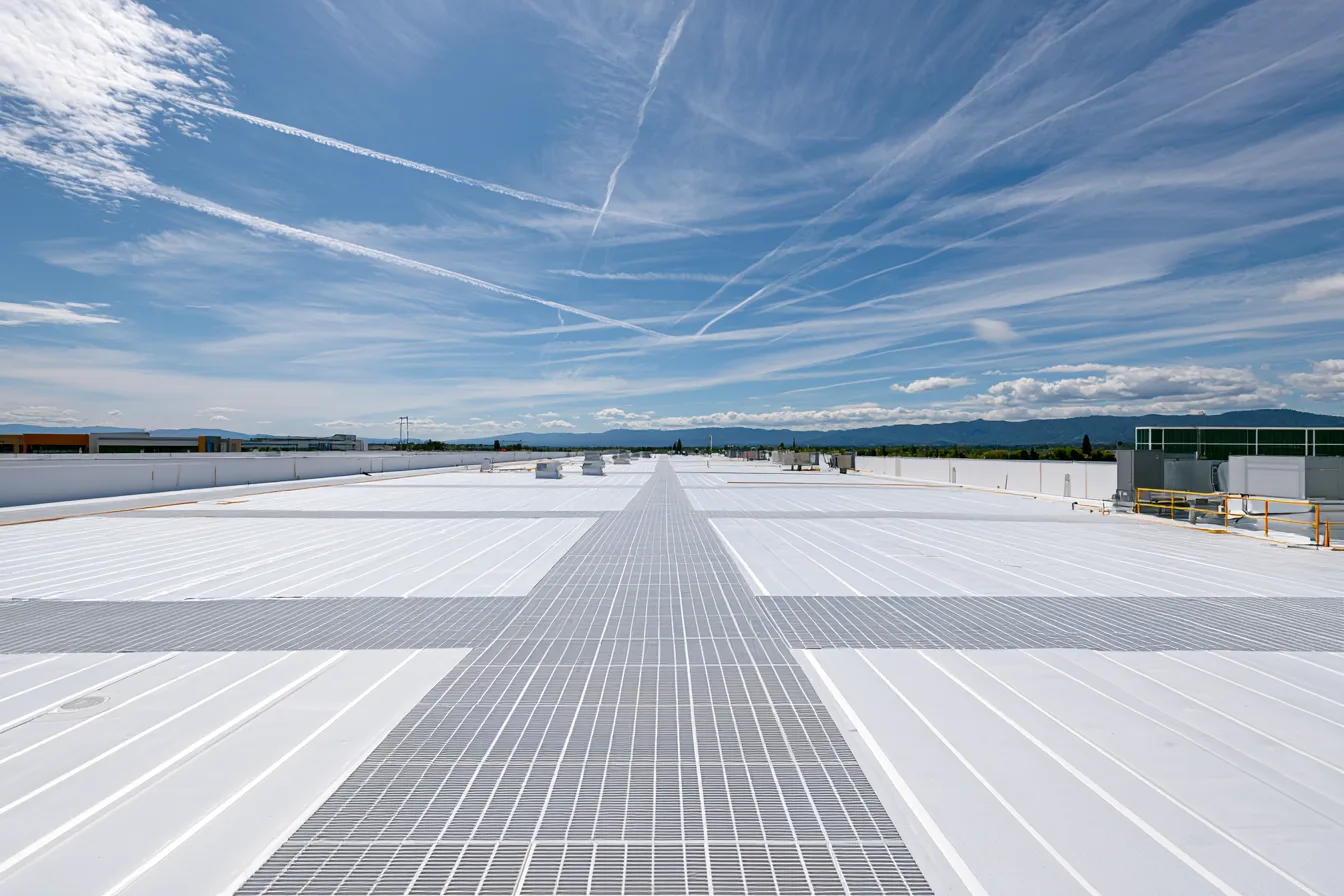
A service visit can change more than the equipment
A technician may need to carry tools across a membrane, open equipment panels or work beside the flashing around a curb. None of that means damage has occurred. It does mean that the work area and service path are useful context if water appears afterward.
The timing is a clue, not a finding of fault. A drain blockage, older seam defect or equipment condensate issue can also become visible around the same time. A roof inspection should establish the actual source rather than assume that the most recent visitor caused it.
Small openings and concentrated foot traffic
A sharp tool or fastener can make a small puncture that is difficult to see from a standing position. Repeated foot traffic can wear a route across the membrane. At the equipment curb, corners and vertical flashing connect the moving equipment area to the field of the roof.
Looked at separately, these are different repair questions. A compatible membrane patch addresses a puncture. A flashing repair restores the curb connection. Drainage from the unit itself may need equipment service rather than roofing work.
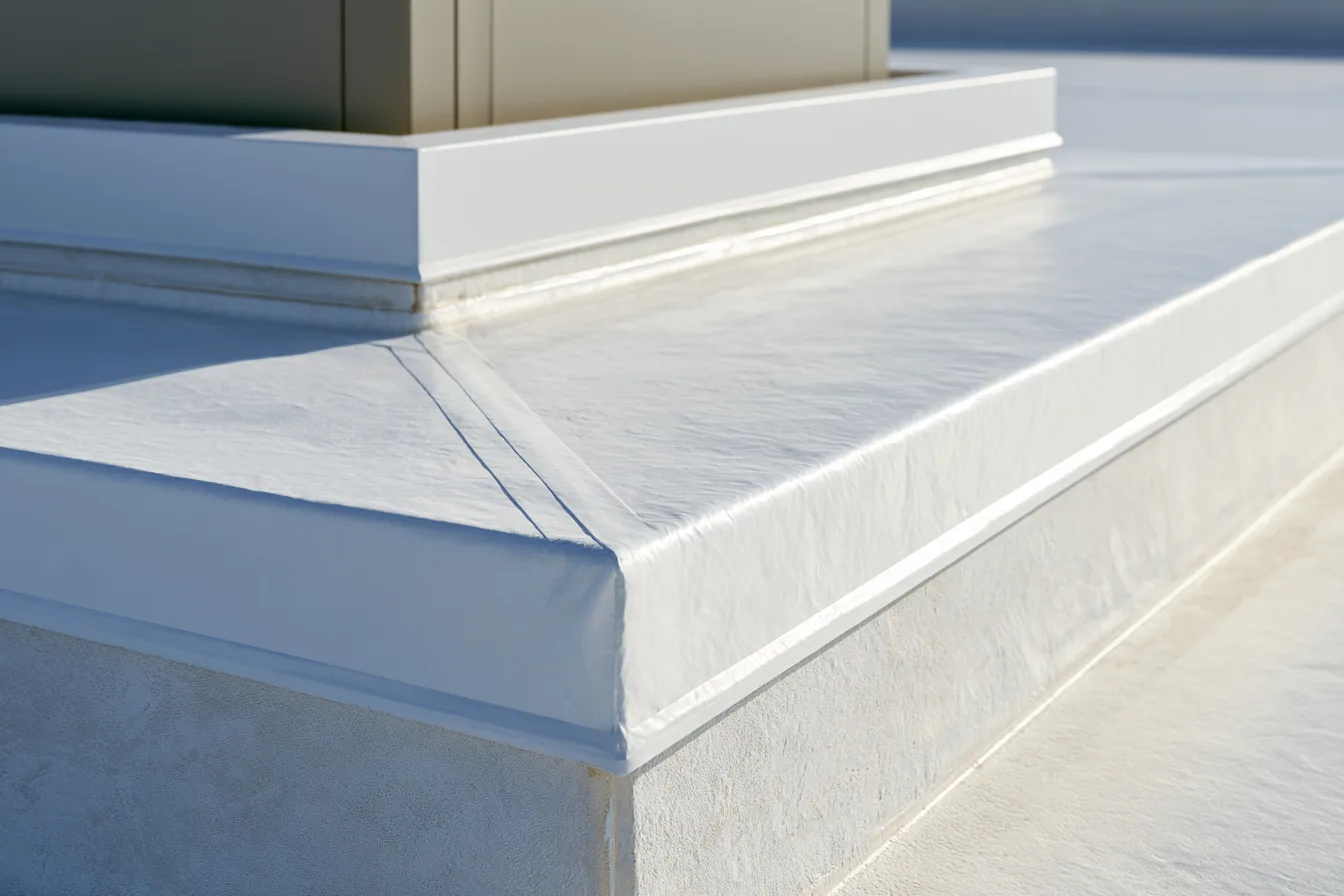
Separate equipment work from a roof repair
When equipment is added or replaced, the roofing connection should be part of the work plan. New pipes and curbs need appropriate flashings, and an abandoned opening needs a complete weatherproof closure. A surface sealant bead is not a universal detail for every penetration.
Ask who is responsible for the membrane work, which system the building has and how service access will be protected. Those questions connect the equipment project to the roof that will remain around it.
Know when to have the roof checked
If a leak develops after rooftop work, record the room or tenant space affected, when the water first appeared and what service was performed. Share any existing roof-system records. There is no need to climb onto the roof to investigate.
The flat-roof repair guide explains how a roofer follows the water from that indoor symptom to a seam, flashing, drain or other entry point.
Have a new leak near rooftop equipment?
Tell us where the water appears and what rooftop work took place. A roof assessment can separate the equipment question from the roofing repair.
Call (469) 813-7720